
- Non-Fiction
- Geology
- Science
- Biography

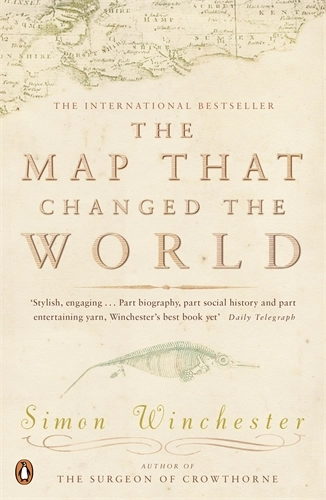
This non-fiction book is part biography, history, science, and geology all wrapped into one. It follows the life of William Smith and one of his greatest discoveries—his creation of the first geological map of the UK, which helped shape the science of geology as we know it today.
I chose to read this book because I’m surrounded by geologists and palaeontologists—including my fiancé, a lover of maps who works with geology and mapping daily. It felt like an interesting way to better understand this area of science.
The author clearly did his research, diving into Smith’s old diary entries, letters, newspapers, books, and scientific documents of the time to paint a full picture—not just of William Smith’s life, but also of what it was like to live during that era.
At first, I found the language of the book a bit unusual—not what I’m used to—but I think that’s just the author’s style. It’s almost conversational, and you quickly get used to it. From the beginning, I had a strong sense of what life was like when Smith was young. The book quickly moves into how science was beginning to shift in a deeply religious country, and it doesn’t hold back when it comes to Smith’s personal life, either. It’s not the happiest story—going straight into his time in debtors’ prison and how he was shunned by the academic world.
Although it was a very interesting read, I did find myself losing interest in parts. It can drag a bit and feel repetitive at times. That said, it also made me appreciate how lucky we are to live in a country with such a rich and fascinating geological and palaeontological history. Being able to walk along a beach and find ammonites is a truly amazing thing.
I genuinely found this a really interesting read and learned a lot about William Smith and the science. I can see why the author structured it the way he did, even if it felt a bit repetitive or confusing in places.
Leave a Reply